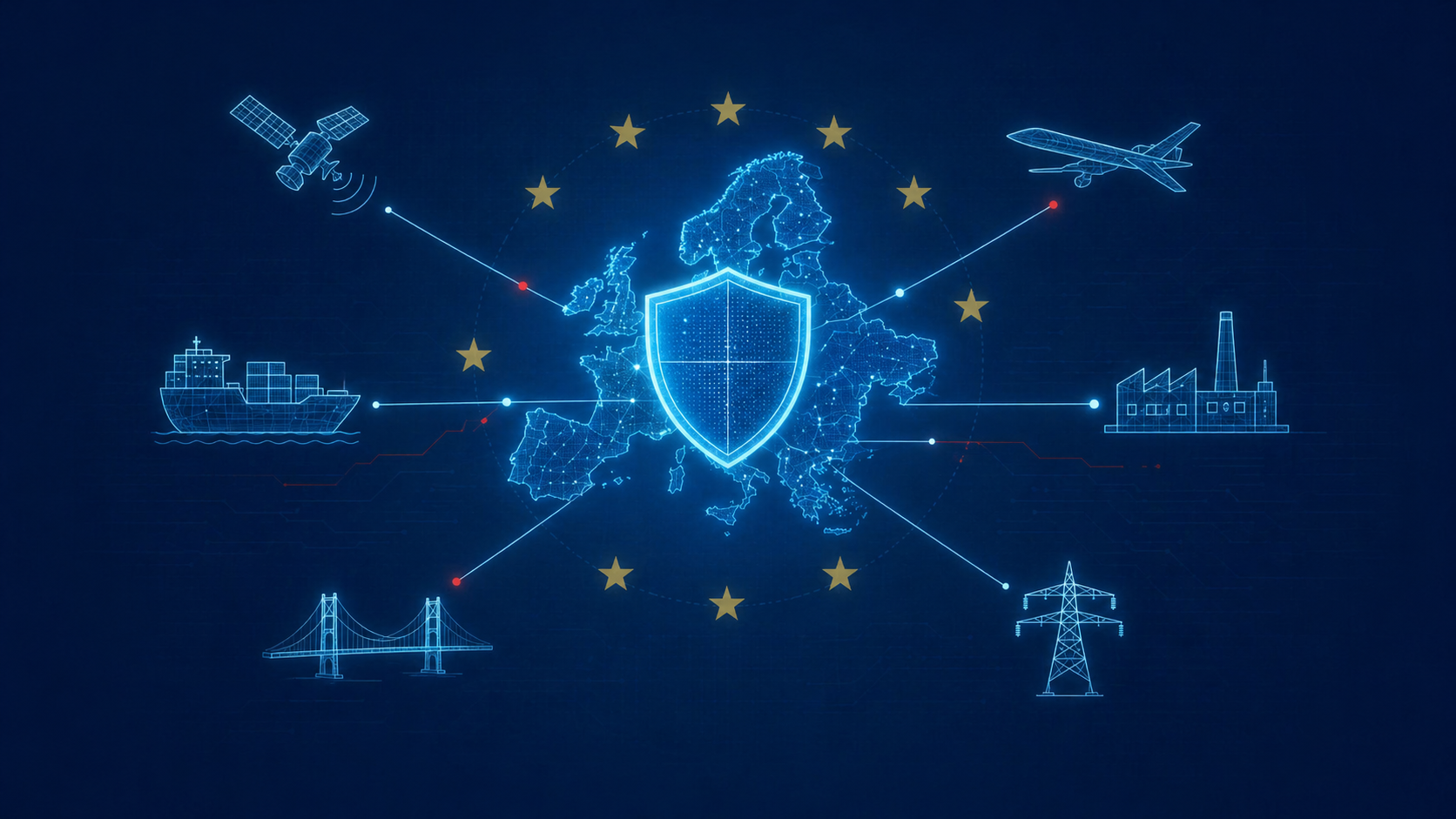
In the face of the exposed fragility of the European relationship with the US, the Old Continent is confronting the looming necessity of unlocking the full potential of a Single Market. To achieve this extraordinary objective Europe must become a cohesive and independent continent; greater cooperation and integration are essential, and this process must begin with defense.
For decades, European integration, which developed primarily through economic instruments, failed to realize its true potential due to political and strategic fragmentation that limited its effectiveness and slowed its progress. Recently, with the EU Inc proposal, which aims to harmonize regulations across different countries and facilitate the entry of new companies into the market, the European Commission has attempted to pave the way for deeper economic integration among the Union’s 27 member states. However, differences persist, and with them conflicting national interests that threaten to undermine the potential of the Single Market.
Indeed, cooperation cannot merely serve the individual interests of member states; to be truly effective, it must become a strategic necessity for the continent, a role that only defense can fulfill. Over time, these efforts would necessitate greater coordination in procurement, research, and industrial production, thereby encouraging firms from different member states to collaborate within a truly continental market. This would lead to more formalized structures potentially including a unified command or a common defense budget, beginning to lay the economic and legal foundations to fully implement the Single Market.
Today, the European defense landscape, despite ever-increasing investments in the sector, remains fragmented, characterized by national armies adhering to diverse doctrines and operating within disparate industrial frameworks. This fragmentation has not only resulted in inefficiencies and inflated costs but has also fostered a relationship of subordination to the United States, a dependency that has expanded from the defense sector into every branch of the economy.
This relationship first began to show cracks with the wave of tariffs imposed by the Trump administration in February 2026, further eroding a sense of trust in the United States that had already been in crisis since the beginning of the war in Ukraine. All of this has rendered Europe highly vulnerable, locked into a military alliance under the hegemony of the United States, a power that proved incapable of defending its own allies in the Gulf during the Iran War.
The concept of the Single Market is a necessity for the European Union, grounded in a vision of a more federal Europe united by common interests. To some extent this is already the case, Europe indeed already possesses all the necessary means and capital, both economic and demographic, to create a highly efficient market, yet it still lacks the unity required to fully capitalize on the opportunities offered by the Single Market.
In a Europe still far too divided, defense is not the consequence of a common market, it is the condition that makes its full realization possible.